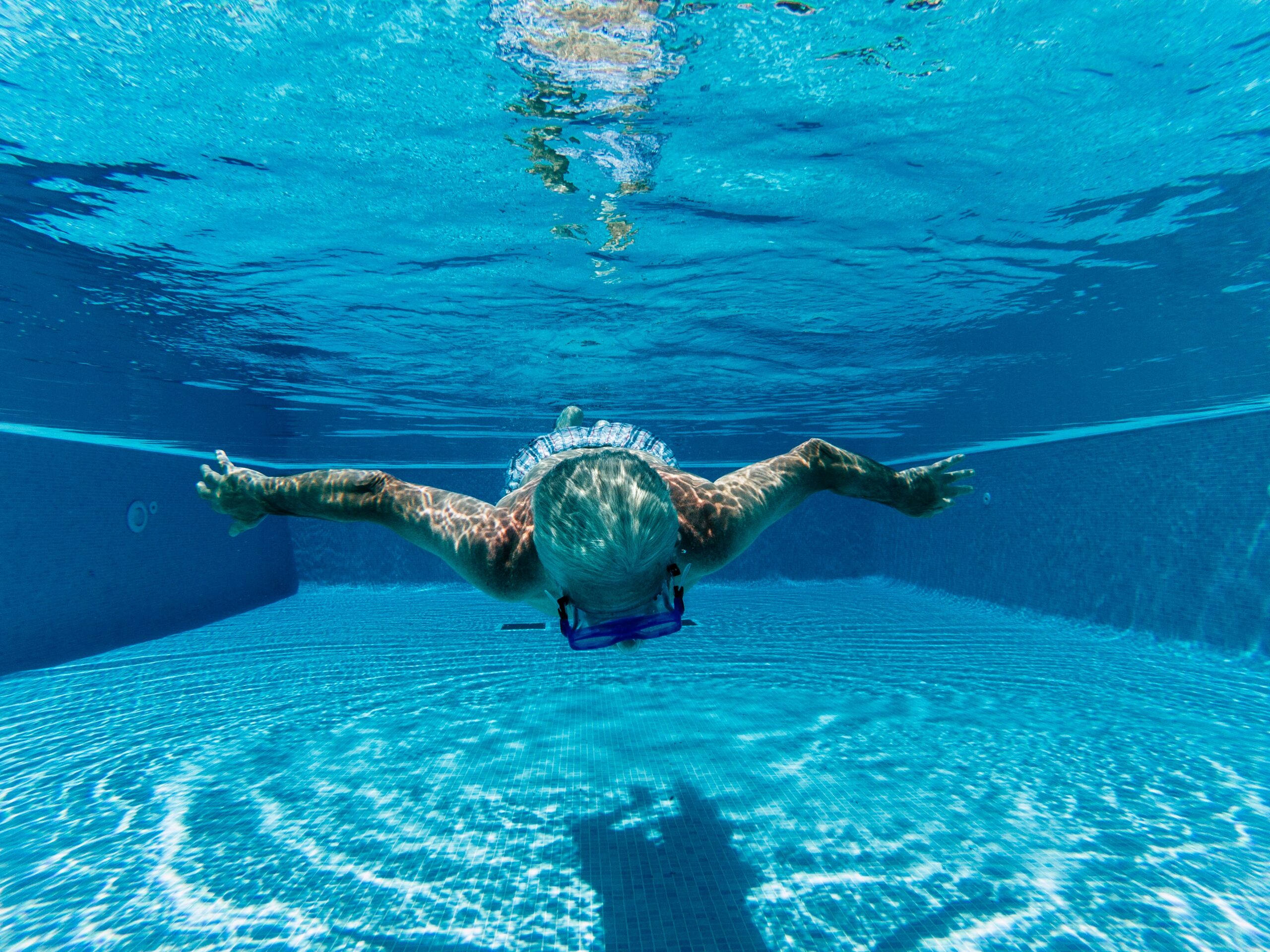
Swim science is moving fast, and it keeps reshaping what “good technique” really means. Instead of guessing what works, coaches and researchers now measure, model, and refine it with precision. As a result, swimmers gain speed through more innovative training, not just harder effort. Moreover, this new wave of research helps athletes stay healthier while they chase faster times.
The New Frontier of Hydrodynamics
Swimmers fight drag every second, so hydrodynamics has become the heartbeat of modern performance. Instead of relying only on feel, teams use video, pressure mapping, and flow analysis to see how water moves around the body. Consequently, athletes can adjust head position, hip height, and kick timing to slip through the pool with less resistance. In addition, small changes—like a calmer breath or cleaner hand entry—often create surprisingly significant gains.
At the same time, researchers continue to explore how different body shapes and stroke styles interact with turbulence. While one swimmer may benefit from a narrower kick, another may need a stronger downbeat to stabilize the core line. Therefore, swim science prioritizes personalization over one-size-fits-all rules. Ultimately, the goal stays simple: reduce wasted motion so every ounce of effort turns into forward speed.
Technique Upgrades Through Data and Video
Technique improves faster when feedback becomes immediate and specific. For example, high-frame-rate underwater video can reveal a dropped elbow, a late catch, or a scissor kick that the swimmer never feels. Then, coaches can pair that footage with clear cues, which helps athletes change mechanics without overthinking. As a result, practice time turns into targeted problem-solving rather than endless laps.
Moreover, data tools can track stroke count, stroke rate, and velocity patterns across sets. Instead of relying on memory, swimmers compare what happened on a strong day with what happened on a sloppy day and learn why. Consequently, they build repeatable habits under fatigue, which matters most in racing. In short, video and metrics don’t replace coaching—they sharpen it.
Smarter Training Load and Recovery
Training works best when the body absorbs it, so load management now plays a bigger role in swim programs. Rather than crushing volume every week, many coaches use structured cycles that balance intensity, aerobic work, and technical focus. Meanwhile, athletes monitor sleep, soreness, and heart-rate trends to catch fatigue early. Therefore, they avoid digging a hole that takes weeks to climb out of.
Equally important, recovery strategies have become more intentional and evidence-based. For instance, swimmers schedule easier sessions after strenuous efforts, fuel properly, and prioritize mobility to stay resilient. In addition, strength work often shifts toward quality movement and shoulder health instead of mindless heavy lifting. As a result, athletes train more consistently, and consistency usually beats chaos.
Strength, Power, and Shoulder-Safe Speed
Swimming demands power, but it also punishes poor mechanics, especially in the shoulders. Because of that, modern dryland training emphasizes stability, scapular control, and core strength alongside explosive work. For example, well-coached pulling patterns and rotational control can support a stronger catch without aggravating joints. Consequently, swimmers develop speed that lasts throughout a season rather than flashing and fading.
At the same time, power training now aligns more closely with race demands. Instead of just lifting, athletes build force in positions that match starts, turns, and underwater kicking. Moreover, coaches often limit exercises that overload the shoulder in risky angles. Therefore, swimmers gain strength that translates directly into cleaner strokes and faster splits.
Starts, Turns, and Underwaters as a Science Project
Races can swing on details, so starts and turns get scientific attention, too. Since swimmers travel fastest off the wall, the underwater phase becomes a prime target for improvement. As a result, athletes refine breakout timing, streamline angles, and dolphin kick rhythm to hold speed longer. Additionally, coaches use distance markers and split data to decide whether a swimmer should stay under longer or surface earlier.
Likewise, turn mechanics benefit from careful measurement. For example, a tighter tuck, quicker rotation, and stronger push can shave tenths of a second off the time without changing conditioning. Meanwhile, a consistent approach speed into the wall prevents rushed, sloppy foot placement. Therefore, a swimmer who “wins the walls” often wins the race, especially in short-course pools.
The Mental Edge Meets Measurable Habits
Mindset still matters, but swim science now connects psychology to practical routines. For instance, athletes use consistent pre-race sequences to reduce nerves and improve focus. Then, they pair that routine with goal-setting based on split targets and controllable actions. Consequently, confidence grows from preparation, not wishful thinking.
Moreover, training the brain can look like training for a stroke. Swimmers practice attention cues, breathing control, and “reset” strategies when a set goes sideways. In addition, teams increasingly value communication and reflection, so athletes learn from each session. Therefore, mental toughness becomes a repeatable skill instead of a vague slogan.
What’s Next: Personalized Performance and Ethical Progress
Swim science is moving toward personalization, and that shift will further reshape training plans. For example, individualized technique cues, tailored strength programs, and workload adjustments can be tailored to each swimmer’s body and schedule. Meanwhile, wearables and analytics will likely get simpler to use and easier to interpret. As a result, more athletes will benefit from high-level insights without needing a full lab.
However, progress also raises ethical questions about fairness and access. While innovation can elevate the sport, teams must keep competition grounded in clear rules and the well-being of athletes. Therefore, the best programs will chase speed while protecting health, integrity, and longevity. Ultimately, swim science won’t replace grit—but it will keep turning grit into more brilliant, faster results.