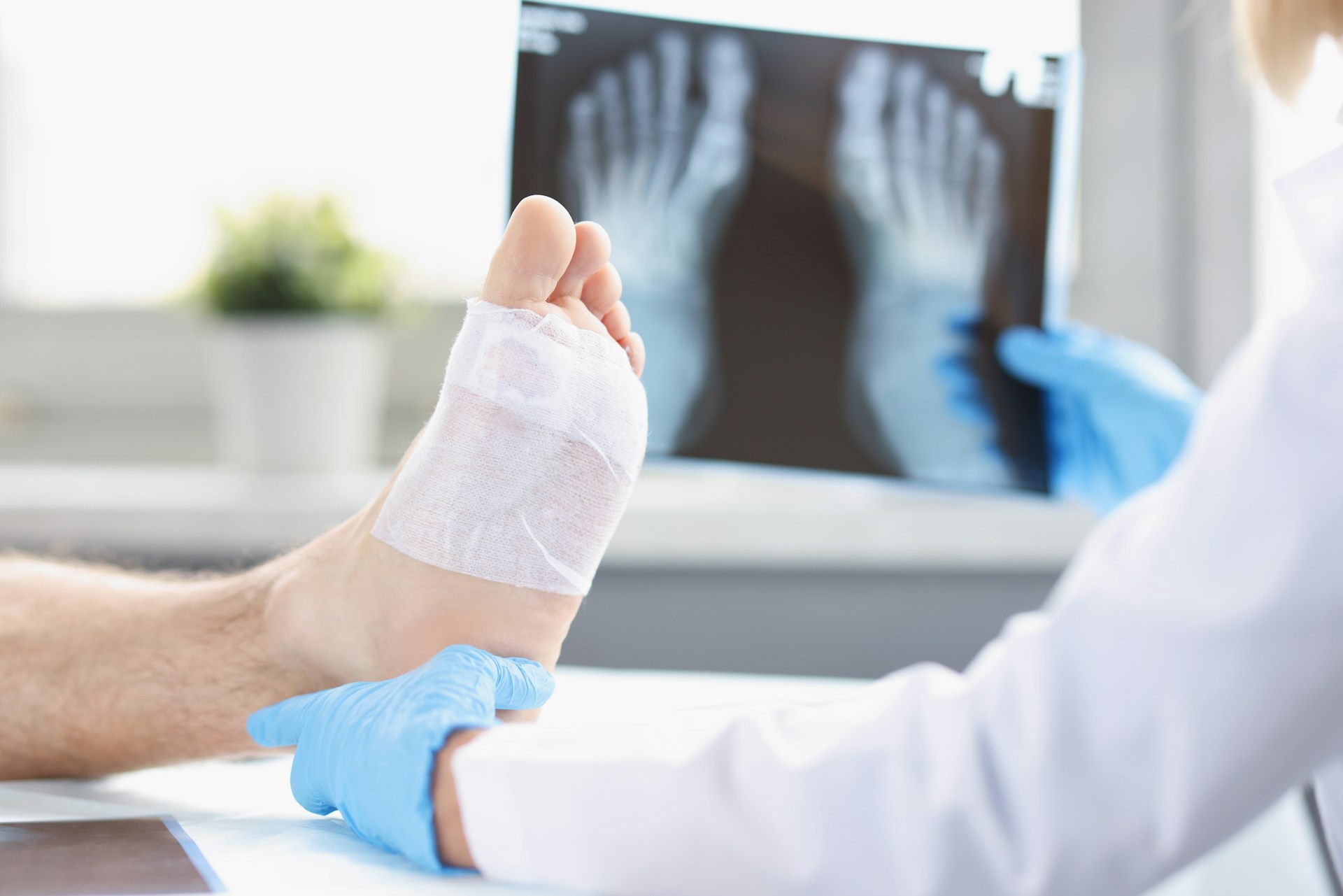
Orthopedic care has changed in remarkable ways over the past few years. Patients who once faced long recoveries and uncertain outcomes now benefit from tools that bring clarity, accuracy, and confidence into every step of treatment. As new approaches continue to shape the future of joint care, people of all ages are discovering that mobility can return with less pain and greater certainty. This progress reflects how deeply the evolution of orthopedic techniques has transformed daily life for individuals, families, and communities.
How Smarter Imaging Tools Improve Surgical Planning
Planning used to depend mainly on experience, touch, and simple X-rays. Today, specialists use digital imaging that reveals far more detail than ever before. These tools show the structure of bones and joints in transparent, three-dimensional layers. Surgeons can study every angle before the procedure starts. Because everything is mapped out in advance, there are fewer surprises and fewer delays once the patient enters the operating room.
These imaging tools help identify alignment issues and hidden damage long before the first incision. When surgeons understand precisely what they will encounter, they can create a precise plan that improves both safety and efficiency. Patients benefit from shorter surgeries, smoother recoveries, and a better chance of long-term comfort.
Why Better Alignment Leads to Better Outcomes
Minor alignment problems can cause significant issues. When an implant sits just a little off-center, it may create uneven pressure, leading to faster wear, discomfort, or limited motion. This is why accuracy has become one of the most critical goals in modern orthopedic care.
With new tools, surgeons can position implants with impressive consistency. Digital guides help ensure angles are correct and components fit naturally. Because of this attention to detail, patients often feel more stability in their movement after surgery. Better alignment also protects the lifespan of the implant, reducing the chance of future revisions. These improvements help people regain daily activities with fewer limitations.
How Robotic Support Strengthens the Surgeon’s Skill
Robotic assistance has become a trusted partner in many orthopedic procedures. The surgeon is still in complete control, but the robot helps maintain steady, precise movements. Before surgery, the doctor develops a plan based on the patient’s scans. The robotic system then follows that plan and guides tools along the correct path.
Many patients notice the benefits almost immediately. Robotic support often allows for smaller incisions, which leads to less swelling and a quicker return to daily life. It also helps preserve healthy bone, which makes joint function feel more natural once healing begins. Although robotic systems cannot replace the surgeon, they make skilled hands even more effective.
Why Less Invasive Approaches Speed Up Healing
Minimally invasive techniques continue to reshape the patient experience. Instead of opening large areas, surgeons use small tools and thin cameras to complete the same repairs. These approaches reduce tissue disruption, which helps the body heal more quickly and comfortably.
People often walk sooner after these procedures. Many return home the same day or the next morning, unlike in older methods. Less pain, less scarring, and less stiffness help patients feel hopeful instead of overwhelmed. With easier recoveries, families can stay active and connected without lengthy interruptions.
How Personalized Treatment Leads to Better Mobility
Orthopedic care no longer follows a one-size-fits-all approach. Instead, specialists design treatment paths based on a patient’s lifestyle, movement goals, age, and overall health. This level of personalization helps people feel heard and understood.
For example, a marathon runner with cartilage damage may need a plan to prepare them for long-distance running. A teacher with chronic shoulder pain may focus more on strength and stability that support daily tasks. Thanks to improved imaging and digital planning, treatment plans can be tailored to each person’s real-world needs.
This personalized care leads to more satisfying outcomes. People stay motivated, and they often push through rehab more confidently because they know each step supports a specific goal.
How Modern Rehabilitation Helps Recovery Stay on Track
Rehabilitation has grown just as quickly as surgical technology. Physical therapists now use motion sensors, strength assessments, and digital feedback tools to build complete recovery plans. These tools record movement patterns, track progress, and highlight areas that need more attention.
Patients benefit from seeing real data. When they can watch their mobility improve week by week, motivation grows. Wearable devices also provide information about posture, walking patterns, and joint stability outside the clinic. This helps therapists adjust exercises in real time, which keeps recovery efficient and personalized.
These modern rehab strategies give patients a greater sense of control. Every improvement feels earned and meaningful, which strengthens commitment and confidence.
What Innovations May Shape the Future of Joint Surgery
The evolution of orthopedic techniques is far from over. Many new ideas are already in development. Artificial intelligence may soon help surgeons predict how joints will respond to implants or repairs. This could reduce complications and improve long-term success.
Smart implants might measure pressure, alignment, and movement patterns inside the body. These readings could alert surgeons to potential issues before patients feel discomfort. Regenerative medicine is another promising field. Researchers are studying ways to encourage natural tissue repair using the body’s own cells.
Although these innovations are still developing, they show how bright the future of orthopedic care may be.
Why These Advances Matter for Real People
For most patients, the biggest priority is simple. They want to move without pain and return to the life they enjoy. The evolution of orthopedic techniques supports that goal more effectively than ever before. Because surgeries are more precise, outcomes are more predictable. Because recoveries are smoother, families can adjust without significant disruptions. Because planning is more detailed, people understand their choices and feel supported throughout the process.
Orthopedic care will continue growing, and each step forward will help people regain strength, independence, and the confidence to live life fully.